
Afomia Selemon, University of Ottawa | January 8, 2026
Reforming our Healthcare Response to Ensure Gender Inclusive Strategies to Address Conflict-Related Sexual Violence
home / policy briefs / afomia selemon
time to read: 7 min
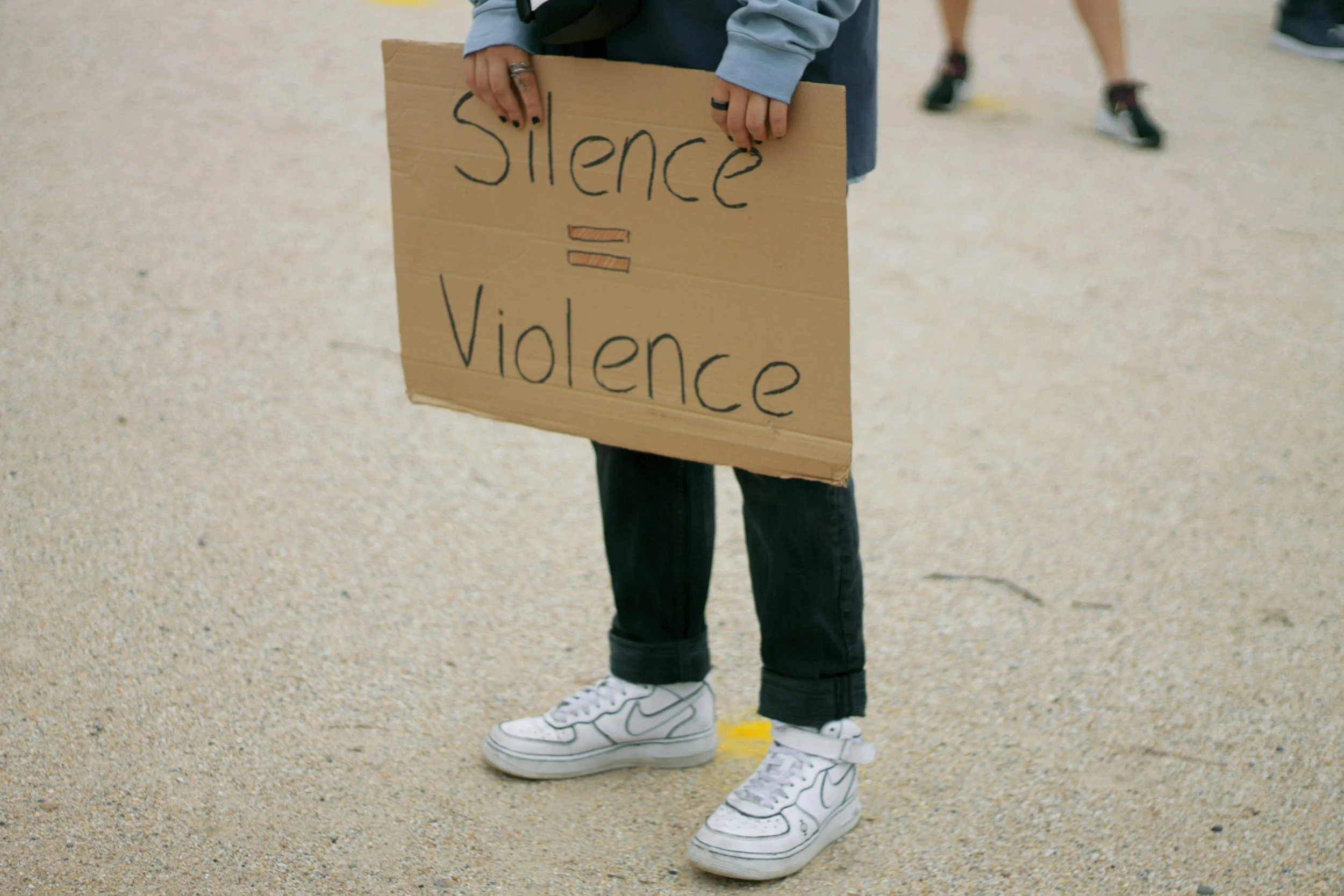
Addressing conflict-related sexual violence (CRSV) requires a new commitment to ensure it is gender inclusive. These commitments must include health-care-focused interventions.
What is Already Known About CRSV?
Conflict-related sexual violence (CRSV) has gained global awareness. Initiatives designed to end CRSV highlight collaborative work between the United Nations (UN) and other multinational bodies. However, CRSV is vastly underreported due to unsafe access to operational healthcare facilities, lack of trust in the reporting system and stigma from the community (Kwiatkowska et al, 2025). According to the United Nations, the formal definition of CRSV broadly includes rape, sexual slavery, forced prostitution, forced pregnancy, forced abortion, forced sterilization, forced marriage, and other forms of sexual violence of comparable gravity perpetuated against women, men, girls or boys that are directly or indirectly linked to a conflict (UNSC, 2024, p.1). Conflict-related sexual violence can be seen as a tactic of war, torture and terrorism aimed at deepening political and security issues because civilians, particularly displaced refugee and migrant women and girls, were targeted with rape, gang rape and abductions (UNSC, 2024, p. 4). The geographic expansion of CRSV is linked to the proliferation of non-state armed groups, transnational criminal networks and terrorist organizations that routinely use sexual violence to dominate territory and control natural resources (UNDP, 2025, p. 8).
Conflict-related sexual violence is also a profound public health, security and gender concern because it results in serious physical, psychological and social consequences for victims. The physical consequences often linked to sexual and reproductive health include genital trauma, chronic pelvic pain, infertility, sexually transmitted infections (STIs) and sexual violence-related pregnancy (Kwiatkowska et al., 2025). Psychological consequences include conditions like unwanted pregnancies, psychological distress, mental health conditions and more (Kwaitkowska et al., 2025). Social consequences include stigmatization, social isolation, and rejection by family and community, loss of social standing and displacement (Kwaitkowska et al., 2025). To strengthen the policy response regarding healthcare access for CRSV victims, researchers, informed by the Network of Women Victims and Professionals and the Focal groups of Male Victims of Sexual Violence, conducted a study to focus on strengthening healthcare access.
What are the Gaps in Knowledge about Healthcare Responses in CRSV?
The gaps in the research knowledge on the healthcare needs and responses in CRSV are increasingly being investigated in conflict-affected areas. However, much of this research focuses on the barriers survivors face in accessing adequate and quality healthcare services. Additional research is therefore needed to identify the infrastructural, spatial, and social barriers to healthcare for survivors of CRSV and the underlying issues that contribute to CRSV, including deliberate attacks on healthcare facilities and on aid workers and peacekeepers as a tactic in war. The research findings for this study highlight the need for a survivor-centred approach to tackling CRSV by promoting priorities outlined in the 2019 UN Security Council Resolution 2467. An additional priority includes stronger support to local civil society organizations that offer aid and deliver healthcare services in conflict-affected areas as an alternative to healthcare facilities, particularly in cases where healthcare facilities are non-existent or have been destroyed.
Key Findings
The Funding Gap for Healthcare Support for CRSV is Significant | The global policy commitment to comprehensive care for survivors is consistently undermined by an implementation and funding gap. While international commitments in Security Council Resolutions (SCR) highlight the need for non-discriminatory and comprehensive health services, specifically including sexual and reproductive health (International Crisis Group, 2023). These commitments have not been matched with funding. The challenges of ensuring funding for comprehensive healthcare needs for survivors of CRSV are further exacerbated by cuts to foreign aid.
Healthcare Workers and Facilities Face Risks of Violence | Barriers to accessing healthcare services are compounded by growing numbers of attacks on healthcare facilities and on healthcare workers (and other service delivery personnel such as peacekeepers and humanitarian aid workers). When communities are displaced due to violent attacks, health workers are also forced to flee (UNHR, 2020, p. 13). For those who are unable to flee, the gap in healthcare services, including life-saving measures, grows (UNHR, 2020, p. 13). Healthcare facilities might even be avoided out of fear that these facilities will be deliberately attacked (UNHR, 2020, p. 13).
Health Facilities are Often Inaccessible to Displaced Civilians | Health facilities are often inaccessible to survivors because of spatial distance, providing a full course of treatment or medication, lack of staffing, training and medical supplies. The distance separates victims of sexual violence from health facilities, creates a barrier to accessing health care services and medical equipment due to survivors being exposed to risks of additional harm along their journey, such as checkpoints, roadblocks, patrols and more (UNHR, 2020, p. 16). In addition to various exposures of harm along their journey, the survivors must walk a long distance and sometimes health centers lack medical equipment and prescriptions (UNHR, 2020, p. 16-17). In some instances, humanitarian organizations may offer services from ad hoc mobile clinics (UNHR, 2020, p. 16-17). These interim services, however, face many challenges, including a lack of confidentiality, particularly when the limited facilities require treatment of survivors of CRSV in open and insecure spaces (UNHR, 2020, p.17). Furthermore, there is a lack of service readiness when providing health care services, such as an effective and long-term treatment plan to ensure survivors have (UNHR, 2020, p.20-23). There is also a lack of staffing, making it inaccessible for survivors to receive adequate training on clinical management of CRSV, such as the use of post-rape treatment kits, due to a lack of available funding (UNHR,2020, p.18).
Socio-cultural Realities and Gendered Oppression as a Barrier to Accessing Healthcare | Along with barriers to accessing healthcare services, there are sociocultural and gendered oppressions that act as barriers to receiving adequate care needed for survivors. Female survivors of CRSV may face stigma, isolation, or rejection from their families. These challenges are compounded by a lack of alternatives for shelter and high rates of poverty that can lead to other long-term issues, including failure to complete their education (Rubini et al., 2023). Other negative consequences female survivors face relate to their mental health. CRSV survivors experience feelings of shame, fear and anxiety or concerns about lack of confidentiality hindering care-seeking behaviours (Rubini et al., 2023). Some of the women avoided seeking treatment because they were concerned that their children could be kidnapped if left alone at home while the survivor was seeking treatment (Rubini et al., 2023). Male survivors also face stigma from their families and communities that can lead to social exclusion and humiliation. These factors make it more difficult for men to find work and to live up to societal expectations of masculinity and can have additional financial impacts on families as a result (Rubini et al., 2023). A gender lens is very important to this analysis since CRSV is used as a tool of power and control, and the survivors can be men, women, and gender diverse individuals. Despite growing understanding of the use of CRSV as a tool of power also used on men, there is still limited awareness and training among healthcare providers of the impact of CRSV on men (Rubini et al., 2023). Furthermore, public health facilities may not provide specific services to male survivors and may not have health protocols for the treatment of male survivors in conflict-affected areas (Rubini et al., 2023).
Policy Insights
Recommendation #1: Programs focused on CRSV must integrate a gender equality and healthcare approach.
Framing the CRSV as not only a public and security issue but a gendered issue is crucial because sexual violence in conflict-affected regions impacts different genders, and access to health care services also impacts different genders, as there are inadequate protocols, a lack of training of health workers and inadequate medical equipment that provides insufficient support for addressing CRSV.
Recommendation #2: Policymakers must create and enact commitments to survivor-centred approaches.
Policymakers must create and enact the durability of implementing the survivor-centred approach and not leaving out the sexual and reproductive health aspect outlined in international commitments such as UNSCR 2467, regardless of countries changing their political stance and ensuring the continuation of funding.
Recommendations #3: National governments and International Donors must prioritize direct and flexible funding to grassroots civil society organizations as the primary mechanism for closing the accessibility gap.
Civil society organizations often manage safe spaces and one-stop centers when government services collapse. They must be adequately funded to maintain and scale up these critical hubs for holistic care. Financial and logistical support is needed to enable civil society organizations, especially local and national NGOs, to play a critical role in reaching remote survivors by organizing and providing transportation to link victims living in isolated areas to service providers in town; thereby, reducing their exposure to further risks.
Recommendation #4: Institutionalize mandatory, trauma-informed training for all healthcare providers that actively targets and eliminates discriminatory attitudes.
Policymakers must mandate that specialized training, such as the clinical management of rape, be provided to all healthcare workers. This training must include components that address harmful social norms, such as victim-blaming attitudes. Training is therefore essential to ensure that healthcare workers do not compound the trauma by refusing care, making humiliating comments or ridiculing survivors based on gender.
Recommendation #5: Integrate the Women, Peace and Security (WPS) Agenda pillar on participation as a mandatory element across all stages of policy design, implementation and legislative advocacy.
A greater focus on the participation pillar is crucial to ensure agentic approaches to survivor-centred supports that reduce victimhood (Thomson, 2019, p. 600-601). Beyond getting more women into decision-making roles, a focus on increased participation must also tackle the gendered structures and gendered norms that operate to disadvantage women (Thomson, 2019, p. 601). The deployment of women’s protection advisors who advise on the engagement with parties to conflict and lead the implementation of the monitoring, analysis and reporting arrangements on conflict-related sexual violence in the field, has ensured the availability of more timely, accurate and reliable information (UNSC, 2024, p. 2). This role helps women participate actively in addressing CRSV instead of being seen as exclusively victims. A meaningful participation ensures that policies reflect survivors’ true needs, which reinforces dignity, social reintegration and peer support.
Bibliography
ACCESS TO HEALTH FOR SURVIVORS OF CONFLICT-RELATED SEXUAL VIOLENCE IN SOUTH SUDAN MAY 2020 i. (n.d.). https://www.ohchr.org/sites/default/files/access_to_health_for_survivors_of_conflict-related_sexual_violence_in_south_sudan.pdf
Conflict-related sexual violence - Report of the Secretary-General (S/2024/292) [EN/AR/RU/ZH] - World. (2024, April 21). Relief Web. https://reliefweb.int/report/world/conflict-related-sexual-violence-report-secretary-general-s2024292-enarruzh
CONSOLIDATED ANNUAL NARRATIVE AND FINANCIAL REPORT of the Administrative Agent. (n.d.). https://mptf.undp.org/sites/default/files/documents/2025-05/2024_conflict-related_sexual_violence_mptf_annual_progress_report.pdf
Kwiatkowska, A. J., Solveig Frøiland, Miltenburg, A. S., & Wangamati, C. K. (2025). A protocol for a systematic review of health consequences of conflict-related sexual violence (2015–2024). Systematic Reviews, 14(1). https://doi.org/10.1186/s13643-025-02874-4
Réseau de bibliothèques - Library Network. (2025). Uottawa.ca. https://www-jstor-org.proxy.bib.uottawa.ca/stable/pdf/48557425.pdf?refreqid=fastly-default%3Ab6426660e2d1bdc1288540dc67807228&ab_segments=&initiator=&acceptTC=1
Rubini, E., Valente, M., Trentin, M., Facci, G., Ragazzoni, L., & Gino, S. (2023). Negative consequences of conflict-related sexual violence on survivors: a systematic review of qualitative evidence. International Journal for Equity in Health, 22(1). https://doi.org/10.1186/s12939-023-02038-7
Stachow, E. (2020). Conflict-related sexual violence: a review. BMJ Military Health, 166(3), 183–186. https://doi.org/10.1136/jramc-2019-001376
Strengthening the Response to Conflict-Related Sexual Violence | Crisis Group. (2023, July 6). Crisisgroup.org. https://www.crisisgroup.org/global/strengthening-response-conflict-related-sexual-violence